


Dementia Answers: What is Normal Aging Compared to Dementia?
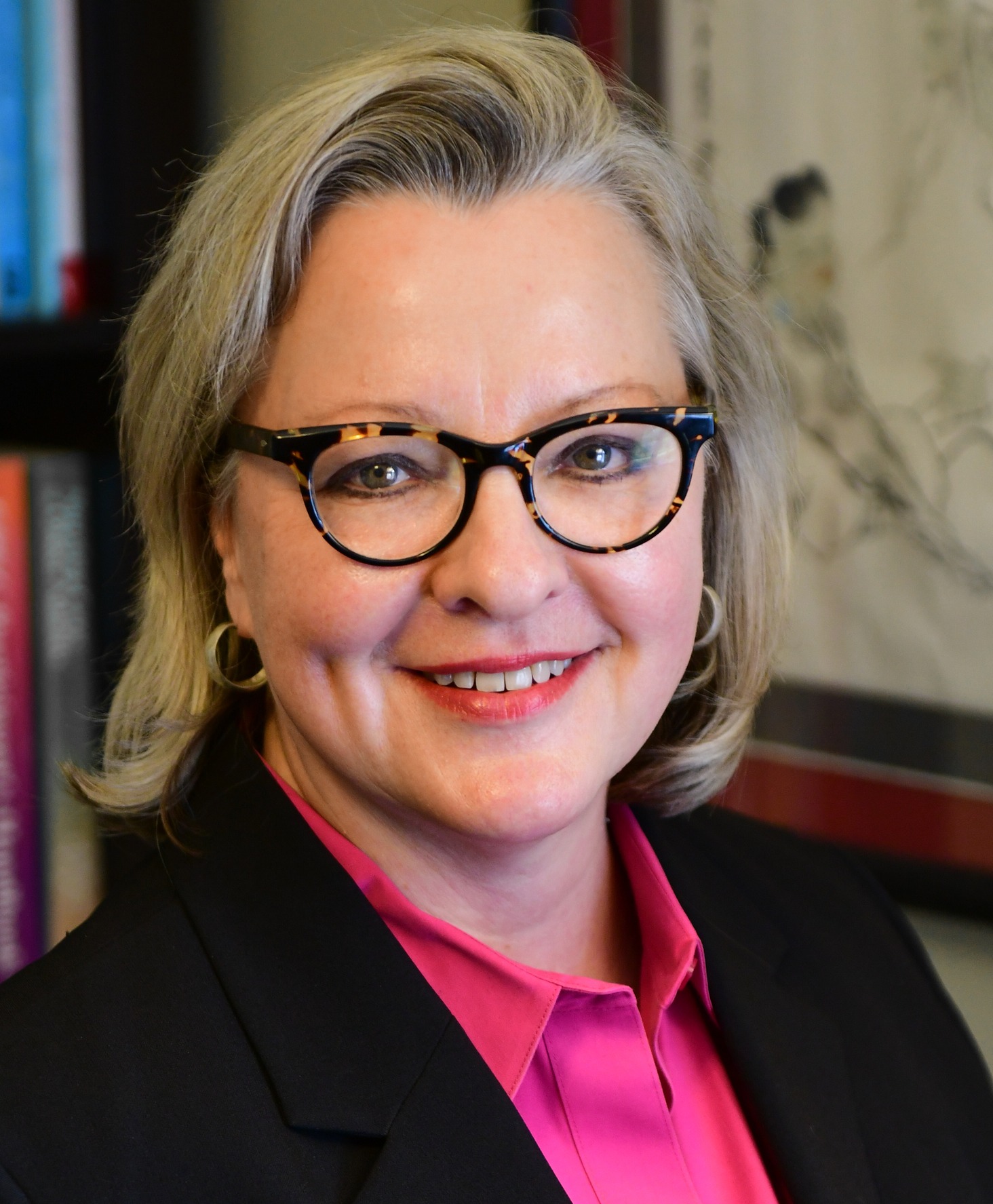
Video Transcript [Answer 1114]
Welcome and thank you for joining me.
Today, we'll talk about what is considered normal for an aging brain compared to Dementia.
As we grow older, our brains change, just like the rest of our bodies. We may take a little longer to remember names, find words, or learn new things. This is part of normal aging and does not mean someone has Dementia.
Normal brain aging can slow memory and thinking a bit, but we can still manage daily life, make decisions, and stay independent. We might forget where we put our keys or why we walked into a room, but we usually remember later. These small lapses are common and not a sign of serious memory loss.
Dementia, however, is different. Dementia is caused by a wide variety of underlying causes that damage brain cells, making it hard for the brain to work properly. Memory loss can become more evident and begin to affect daily life.
A person with Dementia may forget familiar people, get lost in known places, or have trouble speaking, reasoning, or caring for themselves. Over time, these changes become more severe.
How to tell the difference between normal aging and Dementia
If memory problems or confusion begin to interfere with everyday tasks like paying bills, cooking, or remembering recent conversations, it may be more than normal aging. In that case, see a healthcare provider for a proper evaluation.
Keeping the brain healthy is also important. Regular exercise, social activities, a balanced diet, and good sleep all help protect brain function as we age. Remember, some memory changes are part of life, but Dementia is not a normal part of aging.
On behalf of the Dementia Society of America®, thank you again for joining me today. Stay informed, stay healthy, and take care of yourself.
Disclaimer: Dementia Society of America (DSA) provides educational content only and does not offer medical advice. Always consult a qualified healthcare professional before making changes to your medical care. DSA content is created by both human and computer-generated means and is reviewed for accuracy; however, errors may occur. Views expressed by third-party contributors do not necessarily reflect those of DSA. Unless expressly stated, DSA does not endorse or guarantee any third-party products, services, organizations, or external content. All DSA content is copyrighted and/or trademarked and may not be used without written permission.


Comments