


Dementia Answers: How to Use Technology for Memory Support
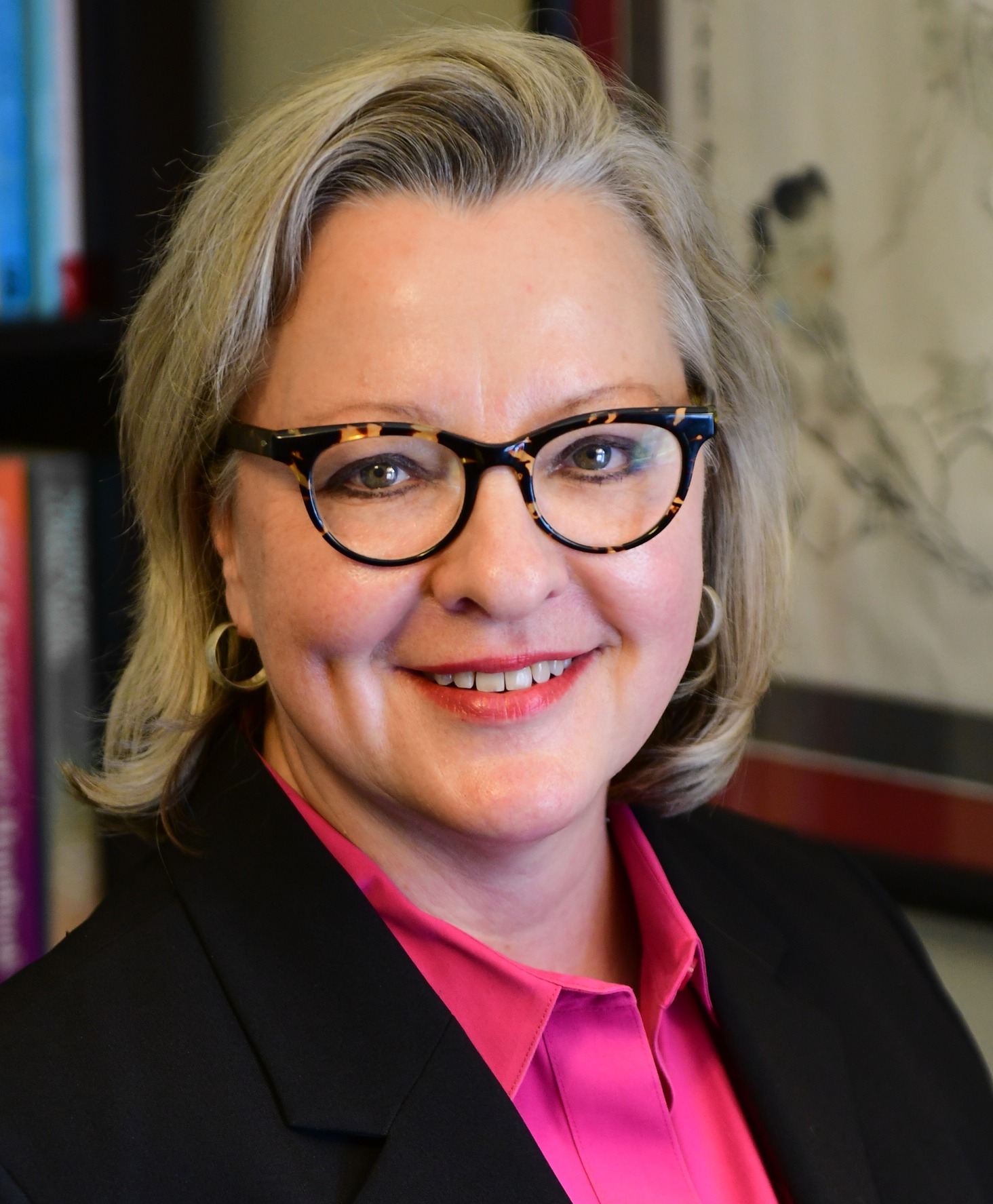
Video Transcript [Answer 1009]
Welcome and thank you for joining me.
Today, we're going to talk about how technology can be used to support memory.
In general, technology can help make daily life easier, safer, and more organized. Many tools are simple to use and can support both the person and their caregivers.
Simple reminder tools are often the most helpful. Digital clocks that show the day, date, and time can reduce confusion. Alarm clocks or phone reminders can help with taking medications, eating meals, or attending appointments. These reminders provide gentle guidance throughout the day.
Smartphones and tablets can also be useful. Calendar apps, Note-Taking apps, and voice reminders allow people to hear instructions rather than read them. Some apps are designed specifically to support memory and use large buttons, clear text, and pictures. These tools can help people remember names, routines, and daily tasks.
Voice-activated devices such as smart speakers can answer simple questions like "What day is it?" or "What's next on my schedule?" They can also play their favorite music, which research shows can improve mood and help trigger memories in people living with Dementia.
Safety and tracking tools are another form of memory support. GPS watches or locator devices can help find someone who becomes lost due to critical wandering. Medication dispensers with alarms can release the right pills at the right time, reducing mistakes.
Visual supports are also important. Digital photo frames that show labeled family photos can help with recognition. Short video messages from loved ones can provide comfort and reminders.
When choosing technology for memory support, keep it simple. Introduce one tool at a time and practice together. The goal is not perfection. It is support, comfort, and independence for as long as possible.
On behalf of the Dementia Society of America®, thank you again for joining me today. Stay informed, stay healthy, and take care of yourself.
Disclaimer: Dementia Society of America (DSA) provides educational content only and does not offer medical advice. Always consult a qualified healthcare professional before making changes to your medical care. DSA content is created by both human and computer-generated means and is reviewed for accuracy; however, errors may occur. Views expressed by third-party contributors do not necessarily reflect those of DSA. Unless expressly stated, DSA does not endorse or guarantee any third-party products, services, organizations, or external content. All DSA content is copyrighted and/or trademarked and may not be used without written permission.


Comments