


Dementia Answers: Dementia and Behavior Changes
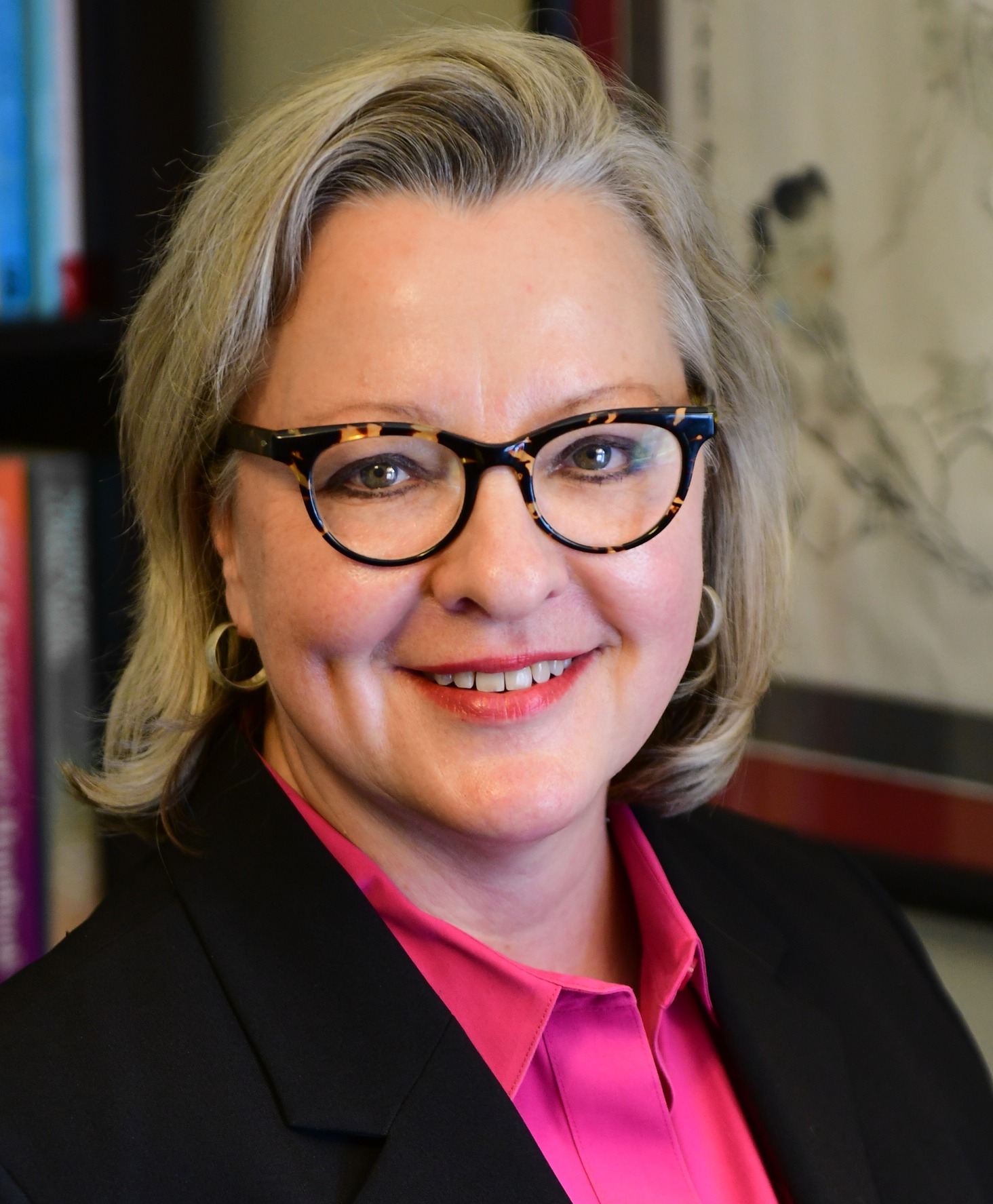
Video Transcript [Answer 1005]
Welcome and thank you for joining me.
Today, we're going to talk about how and why Dementia changes behavior over time.
Dementia is caused by diseases that damage brain cells. As these brain cells stop working, the parts of the brain that control memory, judgment, mood, and movement begin to change. These changes can lead to new or unusual behaviors.
Why do these behaviors happen?
Current research shows that as Dementia progresses, different areas of the brain become affected. When the area that controls memory is damaged, a person may repeat questions or forget familiar people. When the part that manages judgment changes, they may make unsafe decisions or seem unaware of danger. Damage to the emotional centers of the brain can lead to anxiety, anger, sadness, or fear.
These behaviors are not intentional. They happen because the brain is trying to make sense of a world that feels confusing or unfamiliar. A person may pace because they feel restless, shout because they are scared, or resist care because they do not understand what is happening.
How does behavior change over time?
Research shows that behaviors can shift as Dementia moves from early to middle to late stages. Early on, people may hide symptoms or become easily frustrated. In the middle stages, confusion increases, and behaviors like wandering or seeking, agitation, or sleep changes may appear. In the later stages, communication becomes harder, and behaviors may include withdrawal, changes in eating, or increased restlessness.
How can caregivers help?
Understanding the cause behind a behavior is key. A calm voice, simple explanations, familiar routines, good lighting, and reducing noise can help lower stress. Medical providers can also help identify pain, infections, or medication needs that may affect behavior.
Behavioral changes are signs of the underlying condition, not of the person. Compassion and patience can make each day safer and more peaceful.
More information on the signs and symptoms of Dementia can be found in our related blog post, 22 Clues™ to the Dementias, and in our publication: The Big Umbrella™.
On behalf of the Dementia Society of America®, thank you again for joining me today. Stay informed, stay healthy, and take care of yourself.
Disclaimer: Dementia Society of America (DSA) provides educational content only and does not offer medical advice. Always consult a qualified healthcare professional before making changes to your medical care. DSA content is created by both human and computer-generated means and is reviewed for accuracy; however, errors may occur. Views expressed by third-party contributors do not necessarily reflect those of DSA. Unless expressly stated, DSA does not endorse or guarantee any third-party products, services, organizations, or external content. All DSA content is copyrighted and/or trademarked and may not be used without written permission.


Comments